NYC Sub-Zero & Viking Appliance Repair

Service Process

Premium appliance service requires clear sequencing. This page outlines how we move from first contact to durable correction and post-service confidence.

  1. Intake and triage: We classify the request by appliance category, brand, symptom pattern, urgency, and location constraints.
  2. On-site diagnostics: We validate root cause through system checks, not symptom-only assumptions.
  3. Repair-path approval: You receive a clear correction scope and expected outcome before work proceeds.
  4. Correction and verification: Repairs are validated with cycle and performance checks before closeout.
  5. Post-service guidance: You receive practical preventive notes to reduce repeat failures.
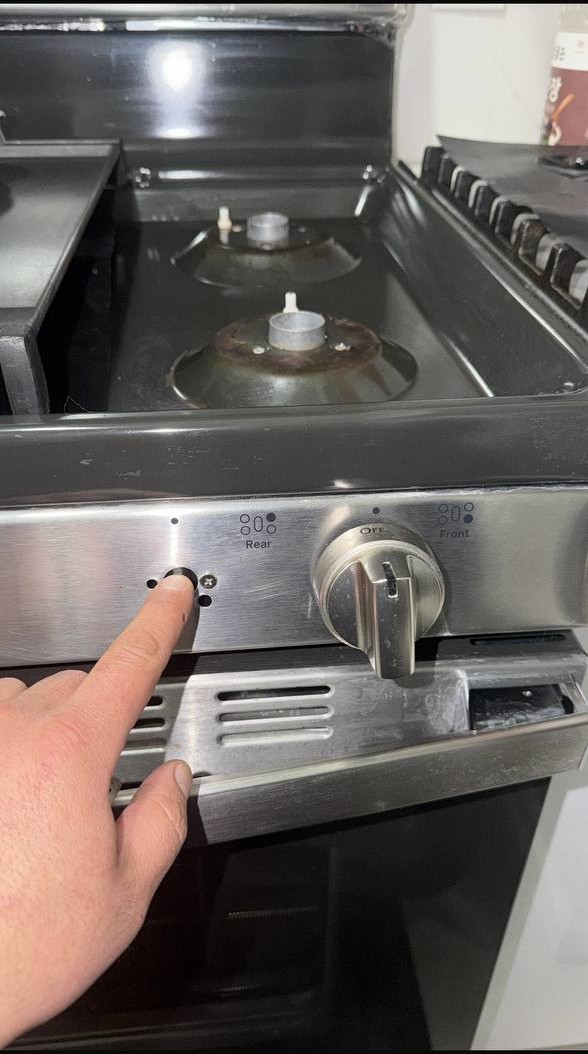
Technician inspecting gas range control panel during diagnostic service in a New York City home

Why This Process Works for High-End Systems

Luxury appliances often show overlapping symptoms. A rushed single-step repair can temporarily mask behavior without resolving the underlying chain. Process discipline protects clients from repeat failures and avoidable downtime.

  • Root-cause sequencing over guesswork.
  • Scope clarity before correction.
  • Verification under realistic operating conditions.
  • Clear handoff and preventive recommendations.

Typical Inputs Collected During Intake

  • Brand and model family (if available).
  • Symptom timeline and operating context.
  • Recent power, plumbing, or remodeling changes.
  • Building access windows and property constraints.

Better intake quality improves first-visit efficiency and reduces trial-and-error paths during diagnosis.

Service Communication Standard

Moment What We Communicate Why It Helps
Before visit Expected diagnostic scope and prep notes. Sets realistic expectations and reduces friction.
After diagnostics Root-cause findings and repair options. Enables informed approval decisions.
After correction Verification outcomes and maintenance notes. Improves long-term reliability confidence.
If recurrence occurs Scope review and next-step policy path. Protects trust and accountability.

Our Seven-Step Repair Process in Detail

Every service engagement follows a structured seven-step workflow designed to maximize first-visit resolution rates and eliminate guesswork. This process has been refined through thousands of premium appliance repairs across the NYC metro area.

  1. Initial Contact and Triage: When you call +1 (516) 973-0530 or book online, our scheduling team collects key details about your appliance brand, model, symptom pattern, and preferred service window. This information allows us to assign the right technician with the correct parts and tools for your specific appliance category. Most calls are triaged within minutes, and confirmation is sent promptly by phone or text message.
  2. Scheduling and Preparation: We offer flexible scheduling including same-day appointments, next-day service, and specific time windows to accommodate your routine. Before the visit, our technician reviews your appliance model specifications, common failure patterns for that product line, and pre-loads the service vehicle with the most likely replacement parts. This preparation step is critical for achieving high first-visit completion rates.
  3. Arrival and On-Site Diagnostics: Your technician arrives within the confirmed window with professional-grade diagnostic equipment including digital multimeters, thermal imaging cameras, refrigerant pressure gauges, gas leak detectors, and brand-specific electronic diagnostic interfaces. We perform systematic root-cause analysis rather than replacing parts based on assumptions. Each component in the failure chain is tested individually so the actual source of the problem is identified with certainty.
  4. Transparent Quote and Repair Approval: Once diagnostics are complete, you receive a clear written estimate detailing the root cause, the recommended correction, all parts and labor costs, and the expected outcome. No work begins until you review and approve the repair path. There are no hidden fees, no pressure tactics, and no surprises. If the repair cost approaches or exceeds the value of the appliance, we will advise you honestly.
  5. Expert Repair and Parts Installation: Approved repairs are completed using genuine OEM replacement parts sourced directly from manufacturer supply channels. Our technicians follow factory-specified procedures for component installation, torque specifications, calibration values, and safety testing protocols. Using authentic parts ensures that your appliance maintains its original performance characteristics and does not void any existing manufacturer coverage.
  6. Quality Verification and Testing: After the repair is complete, we run your appliance through a full operational cycle to confirm correct performance. For refrigeration, this means verifying temperature stability across all zones. For cooking appliances, we test ignition, temperature accuracy, and safety shutoffs. For laundry equipment, we confirm proper fill levels, spin balance, and drain function. You see the appliance working properly before we leave.
  7. Follow-Up and Preventive Guidance: We provide practical recommendations to help you extend the life of your appliance and avoid common failure triggers. This may include condenser cleaning schedules for refrigerators, descaling intervals for steam ovens, filter replacement reminders for range hoods, or usage tips specific to your model. We also follow up to confirm that the repair is holding and your appliance is performing as expected.

Factory-Trained Technicians and Certifications

Our technicians bring years of hands-on experience with the most demanding luxury appliance brands on the market. Each team member undergoes continuous training on new product releases, updated diagnostic protocols, and evolving repair techniques specific to brands such as Sub-Zero, Wolf, Thermador, Miele, Viking, Gaggenau, La Cornue, and Bosch. This ongoing education ensures that our team can handle the latest technology, including smart home-connected appliances, induction cooking systems, steam-assist ovens, and variable-speed compressor refrigeration. Every technician on our roster is fully licensed, bonded, and insured for residential service throughout New York State.

Genuine OEM Parts Sourcing

We exclusively use original equipment manufacturer parts for all repairs. Generic or aftermarket components may cost less upfront, but they frequently lead to premature failure, inconsistent performance, and potential safety hazards in premium appliances. Our parts sourcing network provides direct access to manufacturer inventories, allowing us to obtain components for current models as well as discontinued product lines. For common repair scenarios, our technicians carry frequently needed parts on their service vehicles to enable same-visit completion without the need for a return trip.

Emergency and Same-Day Service

Appliance failures do not follow a convenient schedule. A refrigerator that stops cooling overnight puts hundreds of dollars of food at risk. A gas range with an ignition fault can raise safety concerns. A dishwasher leak in a high-rise apartment can cause damage to multiple units below. For these situations and others, we offer emergency dispatch with same-day service availability seven days a week across all of our service areas. Call +1 (516) 973-0530 to request priority scheduling for any urgent appliance issue.

Diagnostic Equipment and Technology

Accurate diagnosis is the foundation of a lasting repair. Our technicians use professional-grade instruments including digital multimeters for electrical circuit analysis, clamp meters for amperage draw testing, manometers for gas pressure verification, refrigerant manifold gauge sets for sealed-system analysis, infrared thermometers and thermal imaging cameras for identifying hotspots and insulation failures, and manufacturer-specific electronic diagnostic tools that interface directly with appliance control boards. This equipment enables us to identify intermittent faults, early-stage component degradation, and hidden failure patterns that visual inspection alone would miss.